

Intermountain Saint Joseph Hospital is the first in Colorado and second nationwide to earn the recognition from the American College of Cardiology.
Denver, CO (PRUnderground) November 24th, 2026
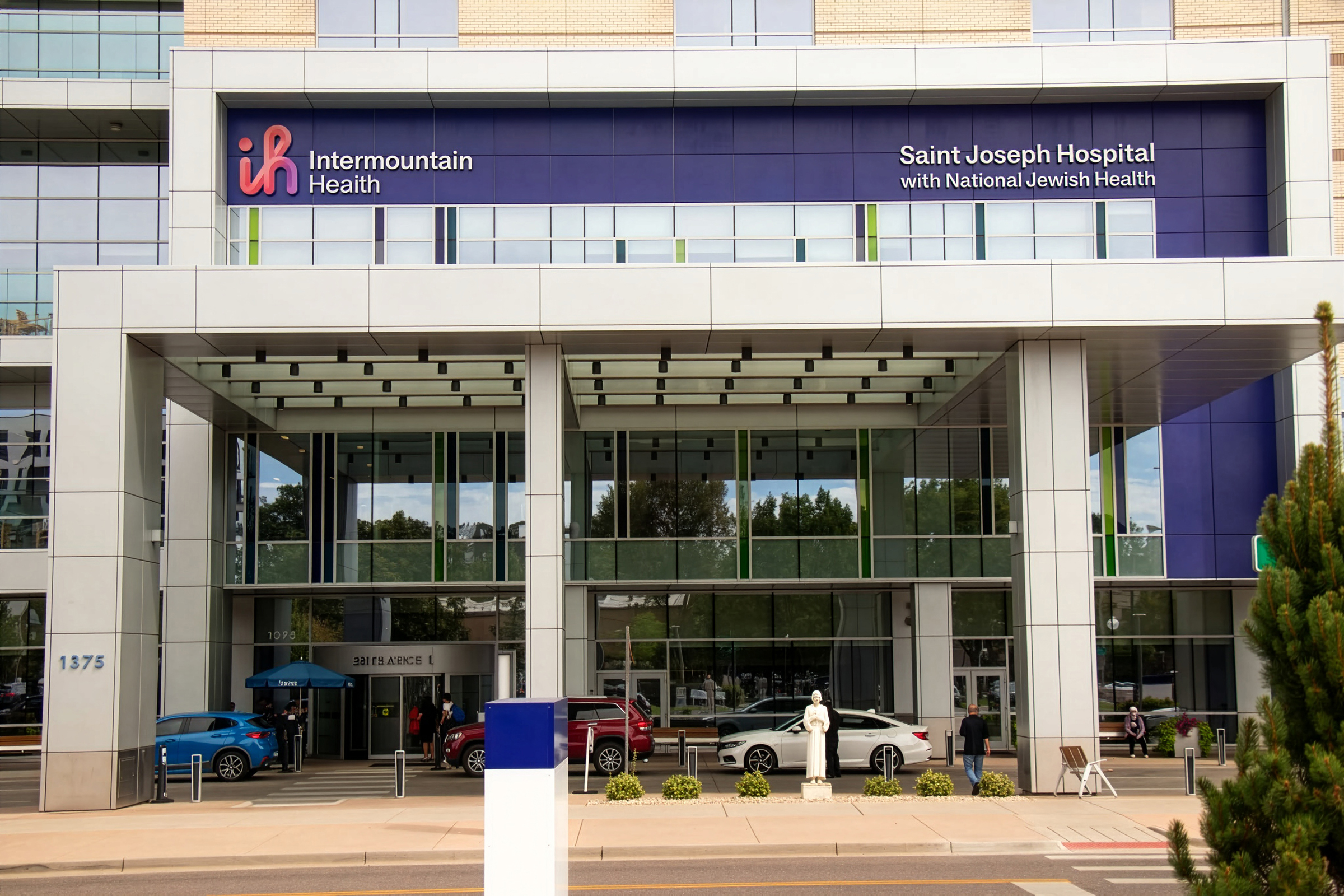
Intermountain Health Saint Joseph Hospital is the first hospital in Colorado and second in the nation to receive the American College of Cardiology’s Chest Pain Center Accreditation with Cardiogenic Shock Designation. The national recognition reflects the hospital’s coordinated approach to treating cardiogenic shock, a life-threatening emergency that occurs when the heart cannot pump enough blood to meet the body’s needs.
Cardiogenic shock happens when the heart suddenly cannot pump enough blood to meet the body’s needs. The complex emergency requires teams to act fast and coordinate care across multiple specialties, said Caitlin Harlan, cardiovascular program coordinator at Intermountain Health Saint Joseph Hospital.
Nurses and physicians may be the first to recognize cardiogenic shock and arrange a transfer when a patient needs a higher level of care. Once the patient arrives, critical care teams and heart specialists work together to quickly assess the patient and determine the best treatment.
When patients need more advanced treatment, heart specialists, surgeons, cardiac catheterization lab teams, operating room teams, perfusionists and critical care teams work together in real time to provide lifesaving treatments and devices.
“The strength of our program comes from the fact that every team understands its role and works together seamlessly to provide the highest level of care,” Harlan said.
Saint Joseph Hospital has built this approach over years of collaboration among specialties. Teams regularly train together, develop and improve treatment plans, practice emergency scenarios, and look for ways to improve care for some of the sickest patients.
Patients at Saint Joseph Hospital also have access to advanced treatments for cardiogenic shock. One is extracorporeal membrane oxygenation, or ECMO. This technology can temporarily do the work of the heart, lungs, or both, giving the care team time to treat the underlying cause of a patient’s condition. The team can adjust the type of ECMO support based on each patient’s medical needs.
The team also offers temporary devices that help the heart pump blood when it cannot do so effectively on its own. These include left ventricular and right ventricular assist devices, known as LVADs and RVADs. They can be used alone or with ECMO. Physicians can also treat the problems that led to cardiogenic shock through advanced procedures involving heart valves, abnormal heart rhythms, blocked heart arteries, and other heart conditions.
“This recognition validates the expertise, dedication and collaboration that our teams bring to patient care every day. It demonstrates that Saint Joseph Hospital has the people, processes and resources necessary to care for patients experiencing one of the most serious cardiovascular emergencies,” said Jake Chanin, MD, Saint Joseph Hospital interventional cardiologist and co-medical director of the ECMO program.
For patients and families, the designation offers added reassurance that they are receiving care at a hospital recognized for treating cardiogenic shock, along with many other heart and specialty conditions, Dr. Chanin said.
“Most patients aren’t choosing a hospital because they expect to experience cardiogenic shock. But they do want to know they have access to excellent heart care if a serious emergency happens. This designation reinforces Saint Joseph Hospital’s longstanding reputation for cardiovascular care and shows that patients can access advanced treatments and specialized expertise when they need it most,” said Sameer Mehta, MD, interventional cardiologist and catheterization lab medical director at Saint Joseph Hospital.
“This recognition is certainly not the finish line,” Dr. Mehta said. “If anything, it raises the bar and challenges us to continue improving. Healthcare is constantly evolving, and we are committed to staying at the forefront of emerging research, new technologies and evidence-based practices.”
Saint Joseph Hospital continually reviews patient outcomes, improves its processes and looks for new ways to improve the patient experience and save lives, Harlan said. “We also recognize the importance of collaboration, and we maintain strong relationships with regional partners and specialty programs to ensure patients receive the right care at the right time.”
“This accreditation recognizes the work we’ve done, but our focus remains on what comes next: finding better ways to serve our patients and continuing to advance cardiovascular care for the communities we serve.”
The new cardiogenic shock designation was introduced by the ACC in July 2026 to improve the outcomes of one of the most life-threatening complications of heart attack. The designation is in addition to the existing ACC Chest Pain Center Accreditation, which has helped hospitals standardize and improve care for patients with heart attack symptoms. Previously, the accreditations have not addressed cardiogenic shock.
According to the ACC, cardiogenic shock is a leading cause of death among patients with acute coronary syndrome and affects nearly 1 in 10 patients who experience a STEMI – one of the most serious types of heart attack. Cardiogenic shock contributes to 27,000 deaths each year in the U.S. The risk of death remains especially high because cardiogenic shock care traditionally lacks the standardized protocols, performance measures and regional coordination that have transformed heart attack treatment.
For more information about heart care at Saint Joseph Hospital, visit Intermountain Health Saint Joseph Hospital Heart Care.
About Intermountain Health
Headquartered in Utah with locations in six states and additional operations across the western U.S., Intermountain Health is a nonprofit system of 34 hospitals, approximately 400 clinics, medical groups with some 4,600 employed physicians and advanced care providers, a nonprofit health plan called Select Health with more than one million members, and other health services. Helping people live the healthiest lives possible, Intermountain is committed to improving community health and is widely recognized as a leader in transforming healthcare by using evidence-based best practices to consistently deliver high-quality outcomes at sustainable costs. For up-to-date information and announcements, please see the Intermountain Health newsroom at https://news.intermountainhealth.org/. For more information, see intermountainhealth.org/ or call 801-442-2000.